 Search


Breakthrough I: Thermal aging of microplastics and the synergistic migration and transformation of multiple pollutants
The Action Plan for Comprehensive Solid Waste Management (2026) issued by the State Council calls for strengthening municipal solid waste incineration and the coordinated treatment of municipal sewage sludge and industrial solid wastes. Under high-temperature conditions, plastic components in solid wastes readily undergo thermal aging and incomplete conversion, leading to the formation and release of microplastics into the atmospheric environment. Compared with conventional environmental microplastics, the formation mechanisms and accurate identification of thermally aged microplastics remain largely unexplored, and their interaction patterns with coexisting pollutants such as heavy metals and fluorides have not been systematically investigated. Our group proposed the use of in situ micro-Raman spectroscopy to elucidate the structural evolution and transformation behaviors of different plastics during thermal aging. Based on characteristic spectral fingerprint features, microplastics were innovatively classified into four typical aging intervals according to their degree of thermal aging. An open-access, interactive spectral library of thermally aged microplastics was established, together with corresponding spectral matching and evaluation workflows and machine-learning algorithms, enabling rapid and accurate identification of aged microplastics. An in situ observation platform for single-particle microplastics under rapid heating was developed, overcoming the limitations of conventional experiments in visualizing transient thermal aging behaviors. This platform further enables the elucidation of interfacial interaction mechanisms between microplastics and accompanying pollutants during thermal aging. Supported by both theoretical analysis and field measurements, the annual emissions of microplastics in flue gas from municipal solid waste incineration plants were quantified for the first time, indicating that waste incineration may represent an important source of atmospheric microplastics. These findings have been published in Journal of Hazardous Materials Letters, Environmental Science & Technology, and Environmental Science.
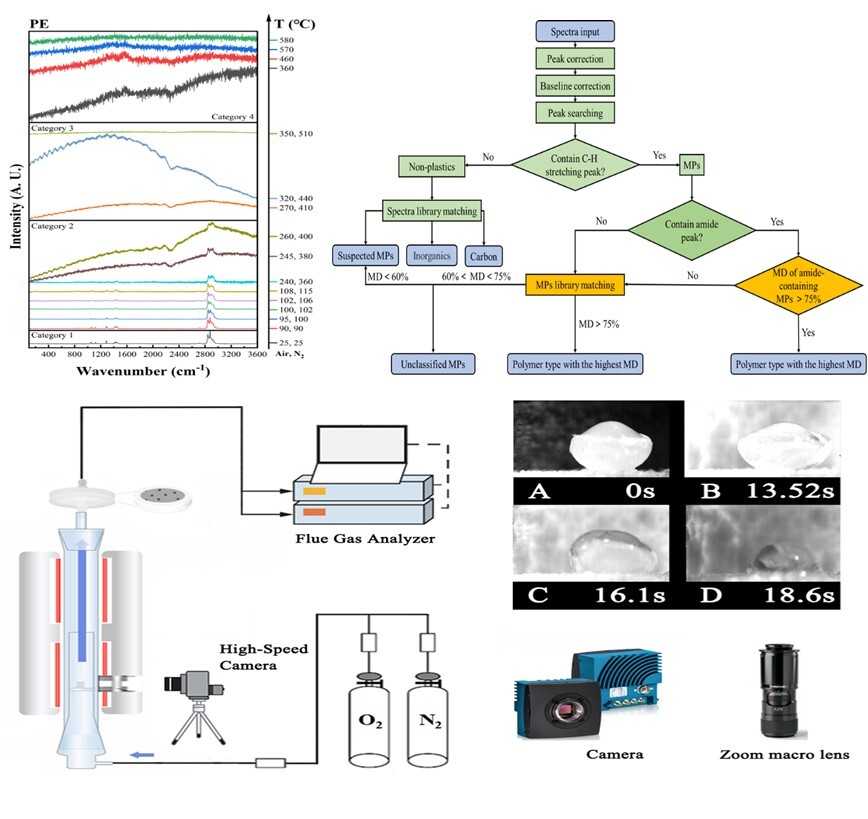
Fig.1 Identification workflow and formation mechanisms of thermally aged microplastics
Breakthrough II: Low-Temperature H2S Removal by Activated Carbon Supported Cu-Fe Oxides Modified with Na2CO3
A variety of Cu-Fe oxide supported on Na2CO3-modified activated carbon (CuFeNaAC-X) catalysts were prepared via the impregnation and calcination methods and their desulfurization performance was evaluated at low-temperature. By optimizing the loading content of Cu-Fe, the sulfur capacity of the CuFeNaAC-5 reached a maximum of 430.09 mg/g, surpassing most activated carbon (AC) catalysts. EPR testing revealed that the loading of Cu-Fe oxide can activate oxygen to form superoxide radicals (O2-·), thereby promoting the catalytic oxidation of H2S. XPS testing revealed that upon loading of Cu-Fe oxide, the formation of FeOOH can facilitate the catalytic oxidation of H2S to sulfur (S) through a chain reaction. Combining EPR and XPS analyses, Na2CO3 modification modulates the content of O2-·, directing the formation of S and then significantly improving the catalyst’s desulfurization efficiency. Furthermore, CO2-TPD testing revealed that Na2CO3 modification promotes the ionization of H2S to HS-, thereby enhancing the catalyst’s desulfurization performance.
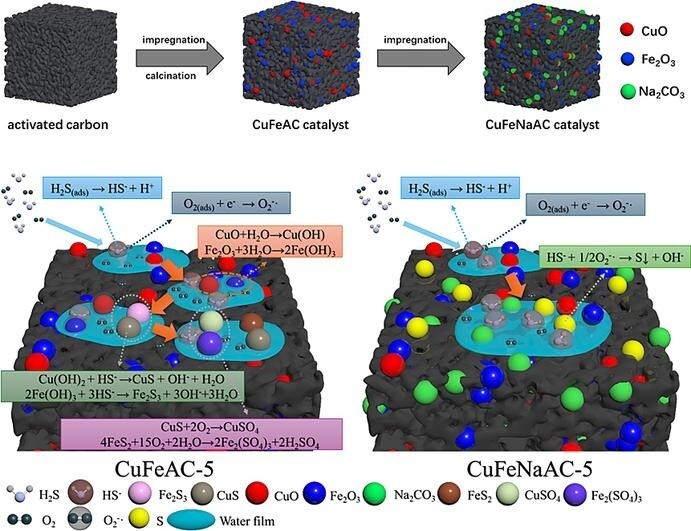
Fig. 2 Preparation and Desulfurization Mechanism of the Adsorbent CuFeNaAC-5
Breakthrough III 5 t/d Pressurized Fluidized Bed Biomass Gasification Technology
The research team, in collaboration with Shanghai Electric, adopted a combined process of "oxygen/steam pressurized fluidized bed + high-temperature thermochemical conversion" to construct a "5 t/d Oxygen-blown Pressurized Fluidized Bed Biomass Gasification Unit" and conducted a pilot-scale test. Using biomass as the feedstock, the project achieved successful one-time feeding and stable continuous operation for over 72 hours. After successfully completing a 9-hour extreme high-temperature slagging operation test, the unit was shut down as planned. The test successfully verified the feasibility of a series of integrated processes, including pressurized feeding of biomass pellets, high-temperature pressurized slag discharge, pressurized fluidization of biomass, and high-temperature conversion furnace for tar cracking.
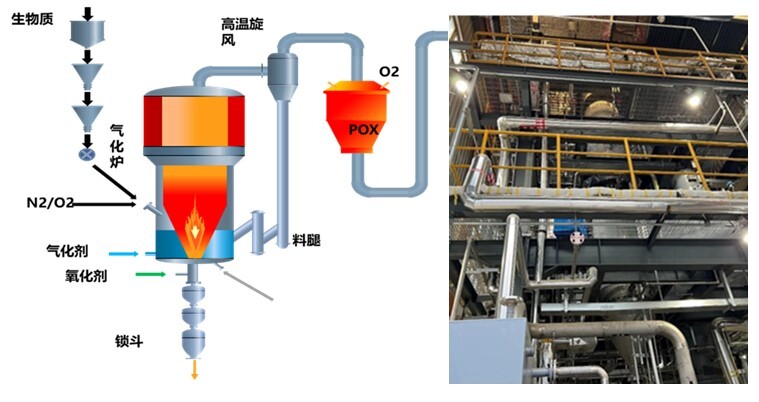
Fig. 3 Pressurized Fluidized Bed Biomass Gasification Process and Unit (5 t/d)
Breakthrough IV: Ultra-Low Temperature Flue Gas Denitrification Technology and Application
For low-temperature (120-180°C) flue gas, there are currently no mature and efficient denitration products available domestically or internationally. The research team has overcome the theoretical and technical bottlenecks of sulfur- and water-resistant catalysts for ultra-low temperature (120-180°C) flue gas, pioneering the development and introduction of ultra-low temperature manganese-based granular and honeycomb denitration catalyst technologies and products. In collaboration with enterprises, the team has completed the construction of a 5,000-ton/year granular low-temperature denitration catalyst production line, achieving continuous production. It has also taken the lead in completing pilot testing and demonstration verification in China. Currently, technical cooperation agreements have been signed with companies such as Gansu Huajing Environmental Protection Co., Ltd., Shenzhen Energy Environmental Protection Co., Ltd., and CHN Energy Science and Technology Research Institute Co., Ltd., to fully collaborate and promote the ultra-low temperature denitration catalyst products and technologies.
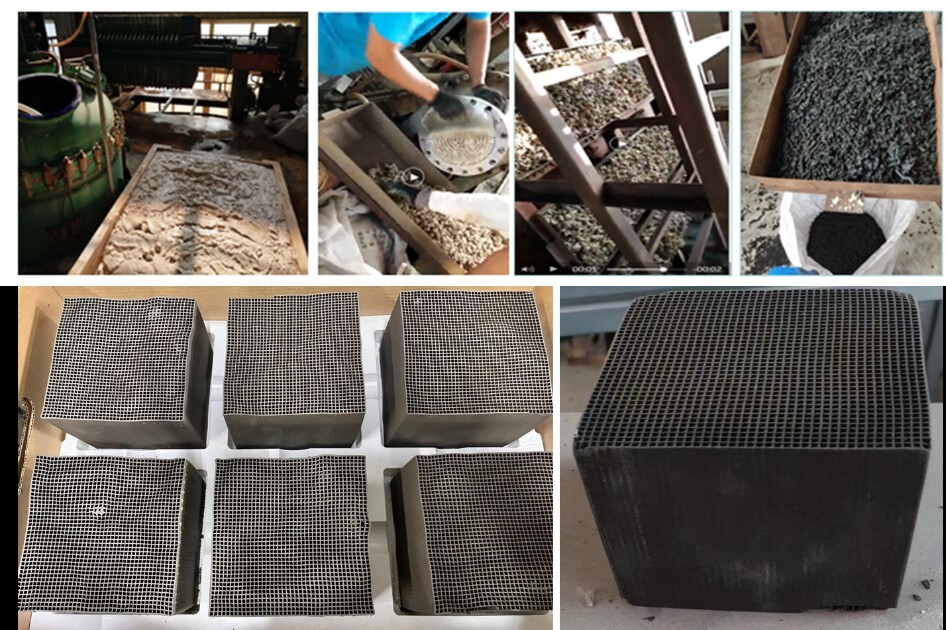
Fig.4 Productization Technology of Manganese-Based Granules and Honeycombs for Sub-Low Temperature Flue Gas Denitration



 京公网安备110402500047号