 Search


The division of Environment Technology and Engineering focuses on the technology research and engineering demonstration of the pollutants recycling and the whole process control in industrial production.
Breakthrough Ⅰ Technologies of fluorine-free modification and spinning
Targeting high-salinity wastewater desalination and human-body waterproof-breathable requirements, we pioneered key technologies of fluorine-free modification and spinning and low-cost, scalable equipment, enabling 3.2 million m2 hydrophobic membrane production. The products is applied in eco-friendly waterproof−breathable fabrics, and adopted by leading brands like Li-Ning and Adidas.

Fig. 1 Applications of Fluorine-free waterproof and breathable NM membrane
Breakthrough Ⅱ Demonstration Application of China's First Thousand-Ton-Scale Blast Furnace Gas Pressure Swing Adsorption Carbon Capture Technology
Targeting carbon capture from steel industry gases in HBIS Group Tangshan Steel Plant, the team has developed an efficient and low-energy pressure swing adsorption carbon capture technology with core adsorbent materials. Under the design of low-gas-resistance adsorption/desorption reactors, and the integration of a high-enrichment process system, the technology achieves high-efficiency and low-energy CO₂ capture, with CO₂ purity >95%, CO₂ recovery rate >90%, and capture energy consumption <2.4 GJ/tCO₂. The process layout is flexible and highly adaptable, making full use of residual pressure and other resources from the production system to enable low-energy capture.
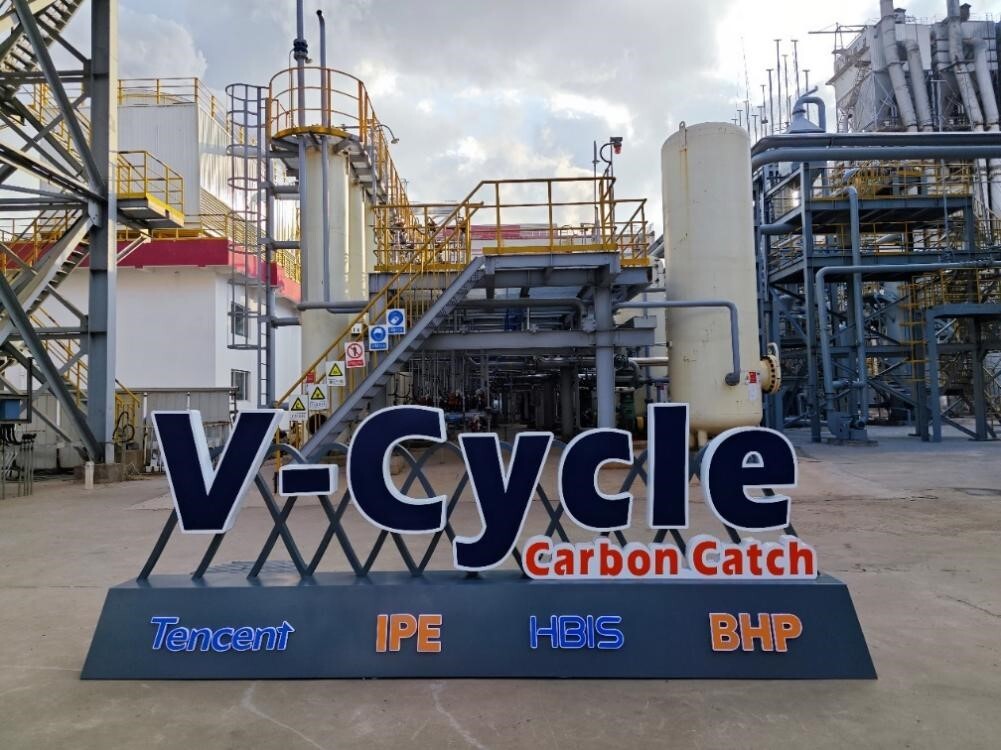
Fig. 2 HeSteel Group construction and design sketch
Breakthrough Ⅲ Mechanochemistry-driven short-range upcycling strategy
To address the challenges of high reagent consumption and lengthy processes in spent lithium-ion battery recycling, our team has proposed a mechanochemistry-driven short-range upcycling strategy. This approach leverages the leaching activity difference between Li and transition metals (TMs) in layered cathode waste, enabled by mechanochemical treatment, using CO2 as the sole H+ source to simultaneously achieve efficient lithium recovery and the upgrading of transition metal residues into high-performance OER catalysts under ambient conditions.
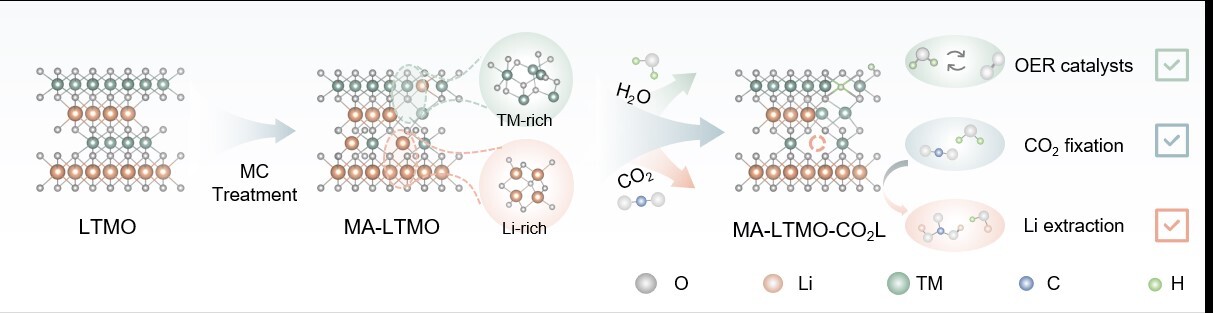
Fig. 3 Mechanochemistry-driven short-range upcycling strategy
Breakthrough Ⅳ Breakthrough in Energy-Saving for Complex Industrial Systems: Global Optimization of Compressed Air Networks Yields Major Benefits
To tackle high energy consumption in industrial compressed air systems, this research integrates mechanistic modeling, data diagnostics, and intelligent optimization algorithms, overcoming key technological barriers in visualizing, simulating, and optimizing complex pipeline networks. A full-scale global optimization model covering equipment selection, network layout, and dispatch strategy was established, delivering a practical “digital energy-saving” solution. Successfully applied in Xinjiang Tianye Group, it reduced compressed air cost by 45%, saves 170 million kWh of electricity annually, and has generated cumulative economic benefits of 585 million RMB, setting a replicable paradigm for utility system optimization.



 京公网安备110402500047号