 Search


Through the interdisciplinary integration of chemistry, biology and engineering, from the level of electronics and molecules, we will give full play to our research advantages in the fields of Hollow Multishelled Structures (HoMS) and Glycobiology.
In 2025, in response to the national call for "carbon peak, carbon neutrality" and "healthy China", we will focus on the energy conversion and storage, green preparation, structure analysis and application of functional sugar chains and biomaterials, advanced drug delivery systems, and rapid biosafety testing, establish a paradigm of interdisciplinary research. Through the coordinated development of basic disciplines and engineering applications, accelerate the rapid transformation of basic research into practical applications. In 2025, we published 69 papers in Nat., Angew. Chem. Int. Ed and other important international academic journals, applied for 13 national invention patents, and authorized 3 national invention patent.
Breakthrough I: Advancing the depth of Science
Acidic oxygen reduction by single-atom Fe catalysts on curved supports: Under the leadership of Prof. Wang Dan, we designed a novel Fe/N-C catalyst consisting of two-dimensional carbon layers decorated with nanoprotrusions, inside which single Fe atoms are anchored primarily on the concave surfaces. This structure effectively tunes the local microenvironment and electronic state of the active sites, leading to markedly improved activity and long-term stability for the oxygen reduction reaction. (Nature, 2025, 644, 668-675).
An enhanced surveillance approach for the early detection of hepatocellular carcinoma:Biosynthetically prepared glycopeptide antigens mimicking HCC’s dual glycoepitopes enabled antisera with high affinity and low cross-reactivity.
In clinical samples, the assay effectively distinguished HCC from non-cancerous liver conditions and healthy controls, matching conventional accuracy with a simplified workflow. This provides a foundation for streamlined HCC diagnosis and demonstrates the potential of defined glycosylation signatures for targeted antibody development.
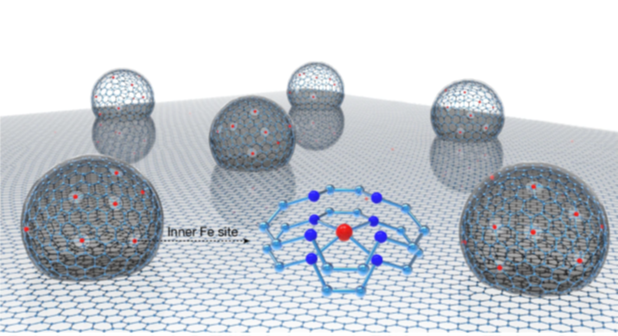
Fig. 1 The structure of the curved-surface Fe/N–C catalyst
Breakthrough Ⅱ: Facing the people's life and health
Atomic-level analysis of the bacterial-host adhesion mechanism and proposal of the "Velcro" model: F. nucleatum uses adhesin CbpF to bind cancer cell CEACAM1/CEACAM5 receptors, with the CbpF EFNGQYQ loop and CEACAM Q78 residue as key interaction motifs. A Velcro-like multivalent adhesion model was proposed, where CbpF mediates reversible bacterial attachment via multiple binding sites, enabling microenvironmental adaptation. This work elucidates dynamic bacterial adhesion regulation and paves the way for targeted therapeutics(PNAS, 2025,122,e2516574122).
Fe2O3 Hollow Multishelled Structure Endowed Temporal Sequential Mass Release for Apoptosis/Ferroptosis-Induced Combined Cancer Therapy:
We developed Fe₂O₃ hollow multi-shelled structure (HoMS) nanocarriers with spatiotemporally controlled release properties, co-encapsulating CDDP and MTA. This design achieves a triple sequential delivery system of CDDP–MTA–Fe²⁺, leading to significantly enhanced anti-tumor efficacy against lung cancer (Adv. Funct. Mater. 2025, 35, 2419892).
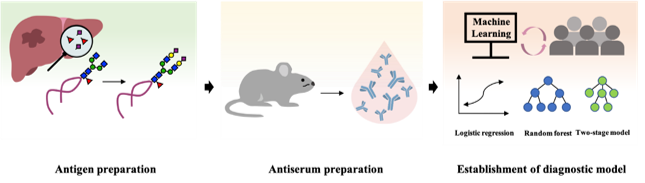
Fig. 2 Production and Application of AFP-L3 Antisera
Breakthrough Ⅲ: Facing the major needs of the country
The second-generation modular water purification equipment achieves efficient water production: Building upon the first‑generation 0.5 m² solar‑driven module with a collection rate of 0.60 kg·m⁻²·h⁻¹, the second‑generation modular water purification system integrates evaporative latent‑heat recovery and photovoltaic energy storage. This upgraded single unit (0.75 m²) achieves a freshwater collection rate of 1.33 kg·m⁻²·h⁻¹, enabling round‑the‑clock water production of 32 L per day.
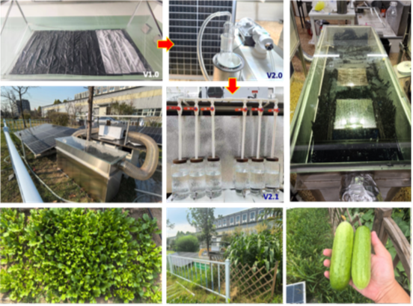
Fig. 3 The second-generation modular water purification equipment
High-directional scaffold enabling accelerated kinetics for high-loading low-temperature lithium-sulfur batteries: A free-standing and highly directional scaffold filled with NiCo-decorated carbon nanotube bushes (HDS-NCCNT) is synthesized and employed as a three-dimensional thick host for low-temperature lithium-sulfur (Li-S) batteries. This unique structure can ensure the high loading of active material and improve the sluggish reaction kinetics at low temperatures. (Chem. Eng. J., 2025, 511, 161939)
The Al and F co-doped single-crystal Li1.2Mn0.54Ni0.13Co0.13O2 electrode (LRMAF) achieves an energy density of 1185 Wh kg−1,an initial discharge capacity of 329 mAh g−1 at 0.1 C, a rate performance of 155 mAh g−1 at 5.0 C and delivers 88% capacity retention after 100 cycles. Additionally, LRMAF exhibits excellent electrochemical performance at −20 ℃. (Small, 2025, 2501005)
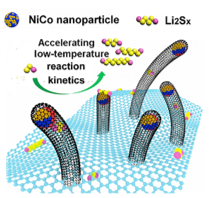
Fig. 4 Schematic illustration of the LiPSs adsorption/conversion mechanism on the surface of HDS-NCCNT



 京公网安备110402500047号