 Search

This division is composed of 4 teams, 1 academician, 22 professors and more than 40 staff members. Targeting key national needs, it develops high-value bioformulations and biomaterials from natural polysaccharides, proteins, lipids and inorganics via extraction, separation, degradation, modification, assembly and particulation, applicable to vaccines, targeted drugs, veterinary vaccines and immunopotentiating foods.
In 2025, it made fundamental and applied research breakthroughs: 46 papers in journals including Cell series, 73 research projects covering national key R&D, NSFC key talent programs and CAS youth grants, plus 16 industry-university cooperation projects. It added 20 new projects from MOST, NSFC major programs, national innovative drug special projects, national laboratory drug R&D tasks and CAS priority programs. For talent cultivation, Researcher Bai Shuo joined the National High-level Talent Program; Researcher Qi Guobin won NSFC Overseas High-Level Young Talents Program; three young researchers were recruited to reinforce biopharmaceutical delivery and immunology research.
Breakthrough I: Cell Engager–Enhanced CAR T Therapy and Efficacy Prediction
Reduced target antigen expression is a major obstacle to the clinical performance of CAR T cell therapy. Building on our clinical finding that both leukemia cells and CAR T cells exhibit high CD71 expression, we developed a ferritin aggregation cell engager (FACE) that leverages CD71-mediated interactions to physically bridge CAR T cells and leukemia cells. By enhancing intercellular avidity, FACE markedly improves CAR T cell recognition and cytotoxicity against antigen-low leukemia cells. In close collaboration with clinical partners, we further established a FACE-enabled efficacy database and predictive model spanning multiple leukemia subtypes, disease stages, and relapse or treatment-resistant settings, achieving an average prediction error of approximately 1.4%. Together, this work provides a broadly applicable strategy to enhance CAR T therapy in antigen-low leukemias and offers a practical predictive framework to inform future patient stratification and therapeutic decision-making. The related study has been accepted for publication in Cell.
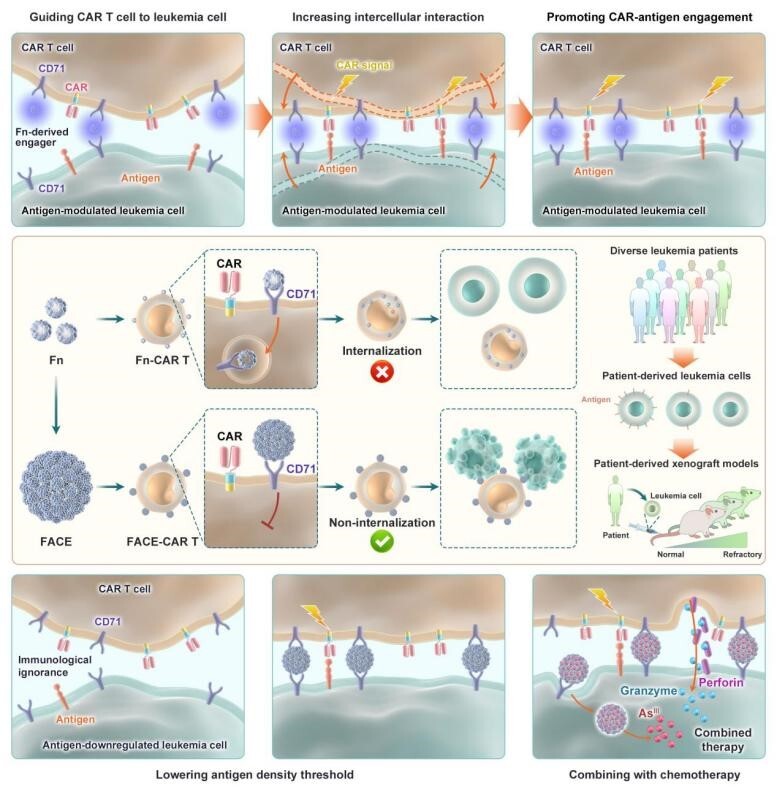
Fig. 1 Ferritin aggregation cell engager for CAR-T avidity engineering against refractory leukemias
Breakthrough Ⅱ: Entropy-Driven Amino Acid-Based Coacervates with Enzyme-Free Metabolism and Prebiotic Robustness
Protocells integrating compartmentalization, enzyme‑free metabolism and environmental adaptation bridge non-living matter and life, critical for studying life’s origin. Most existing protocell models cannot combine all features. Using bioinspired molecular design, we built prebiotically plausible amino acid coacervate protocells. They show strong stability and adaptability under prebiotic conditions and boost enzyme-free metabolic reactions. The system spontaneously forms interfacial proton gradients to realize primitive chemiosmotic coupling. This study provides a chemically sound, experimentally feasible path to explore functional protocell formation and evolution.
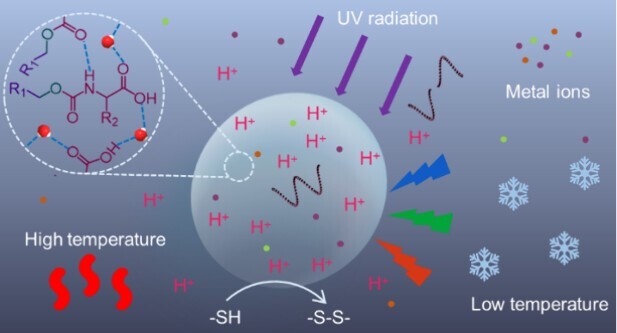
Fig. 2 Amino acid-based coacervate protocell model
Breakthrough Ⅲ: Quantitative control of extra-hepatic mRNA delivery via differential ionization-graded induced targeting (DIGIT)
This work uses ionized poly(β-amino esters) (iPβAEs) for single-component in vivo mRNA delivery. By adjusting polymer side chains and ionization ratios, we constructed a polymer library and established the first systematic quantitative SAR for extra-hepatic mRNA delivery, termed DIGIT. We confirm the “release-translation” process causes inconsistent mRNA distribution and protein expression, and clarify biomechanical mechanisms of two carrier-mRNA interactions: the “Electrostatic Pincer Effect” and “Electrostatic-Hydrogen Tethering”. This achievement creates a new rational design paradigm guided by quantitative SAR and internal interaction mechanisms.
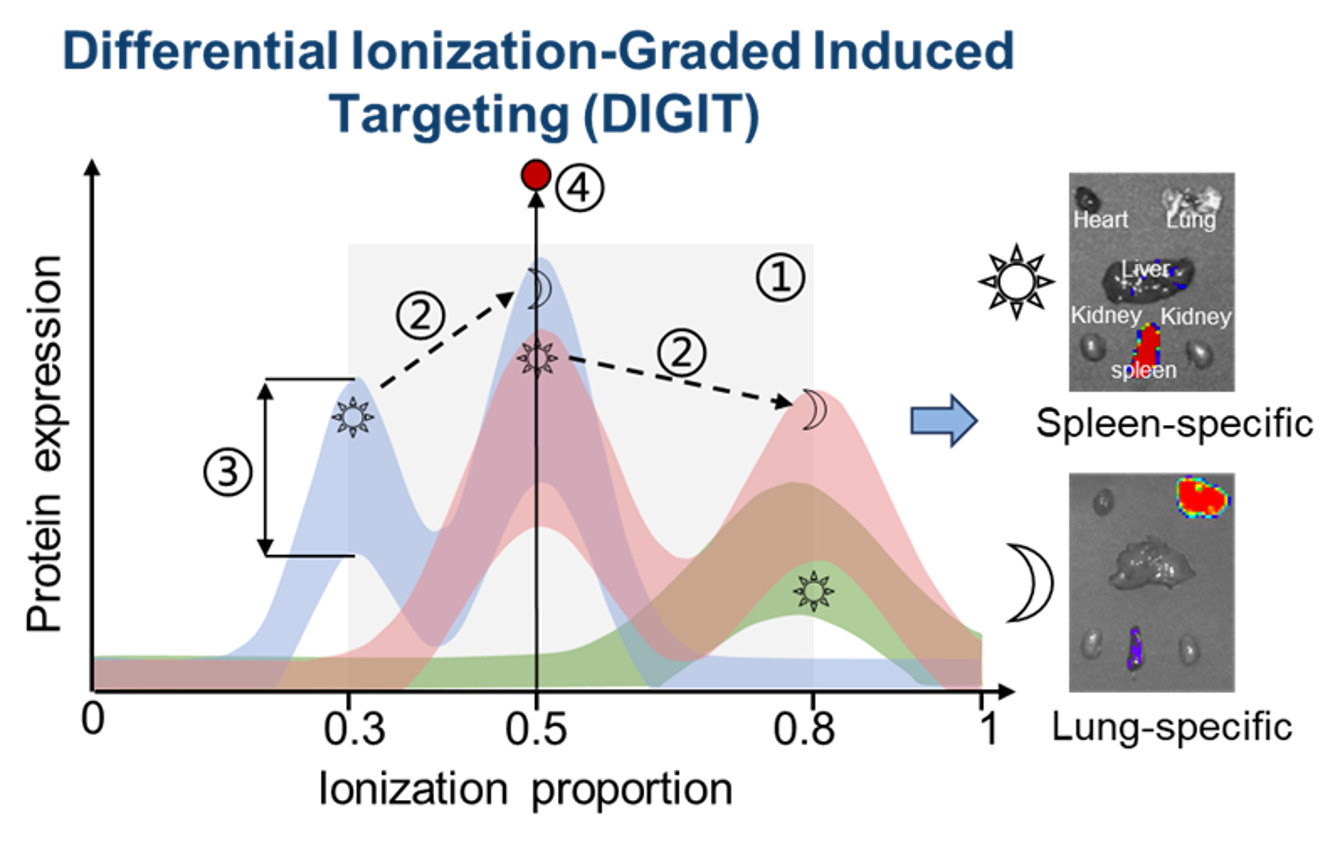
Fig.3 Interfacial mechano-biochemical dual signaling potentiates immune activation by Aluminum-stabilized Pickering emulsions (ASPEs)
Breakthrough Ⅳ: Fully Biodegradable, Self-Powered Electrical Stimulator for Enhanced Muscle Repair
Conventional stimulators are bulky, rely on external power and need secondary removal surgery. We fabricated a fully biodegradable self-powered stimulator with chitosan-PVA composite membranes, stably outputting ~500 mV over 5000 pressure cycles. It converts knee mechanical motion into electricity to stimulate embedded conductive hydrogel scaffolds and promote muscle regeneration. Rat tests show injured muscles fully repair in two weeks, and the device fully degrades within four weeks. This device provides an innovative strategy for skeletal muscle repair.
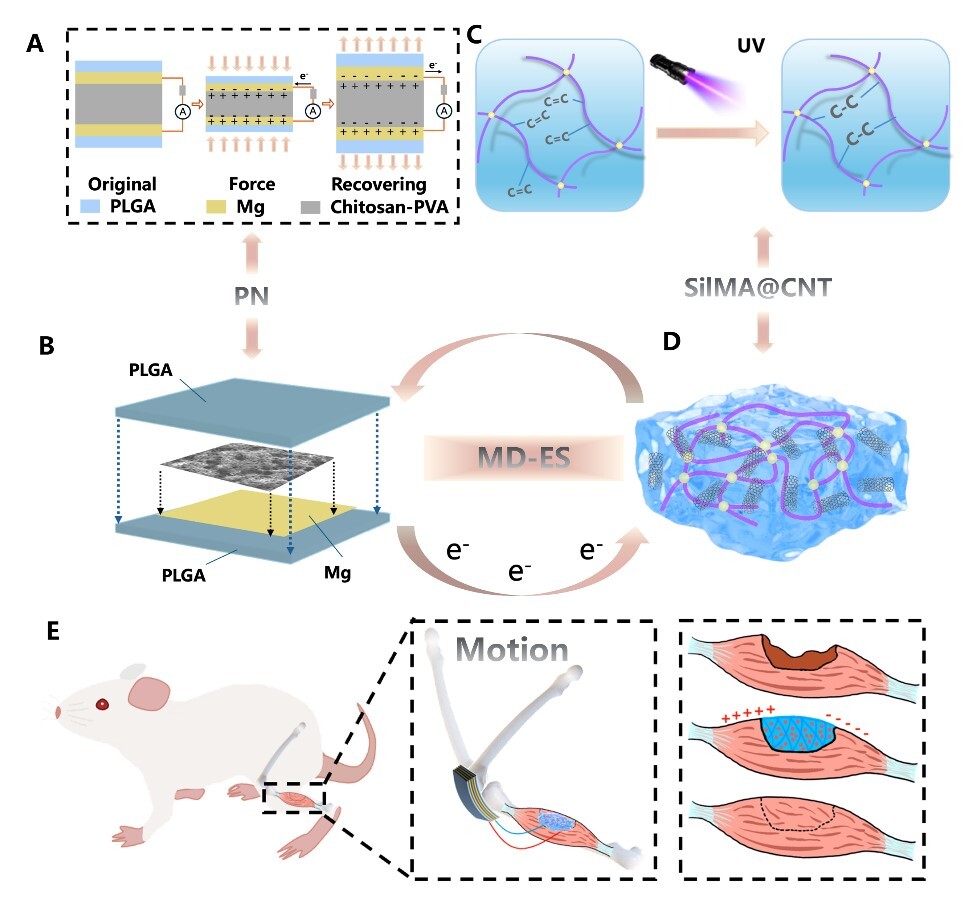
Fig.4 Schematic illustration of structural design and skeletal muscle repair application for MD-ES self-powered system



 京公网安备110402500047号