 Search


The research department focuses on advancing theories and methods for fluidization processes, addressing challenges in clean resource and energy conversion, large-scale production of advanced functional powders, and energy storage materials. In 2025, over 40 SCI papers were published in prestigious journals, such as JACS, Nano-Micro Letters, and Energy & Environmental Science, and more than 20 patents were filed.
Breakthrough I: 10,000 t/y Green Hydrogen Fluidized-Bed Direct Reduction Iron Demonstration
Driven by national demands for green and low-carbon steelmaking, the department overcame long-standing challenges of particle sticking, defluidization, and low reduction efficiency in conventional fluidized-bed direct reduction. Building on fundamental fluidization studies and pilot-scale trials, a novel hydrogen-based, non-internal-diffusion-controlled fluidized-bed direct reduction iron technology (HIFRI) was established. In collaboration with Ansteel Group and others, the world’s first 10,000 t/y green-hydrogen fluidized-bed DRI demonstration plant was constructed. Stable full-process operation was achieved in August 2025, producing near-zero-carbon DRI with a metallization degree of 95%, providing strong technological support for China’s carbon peaking and carbon neutrality goals.
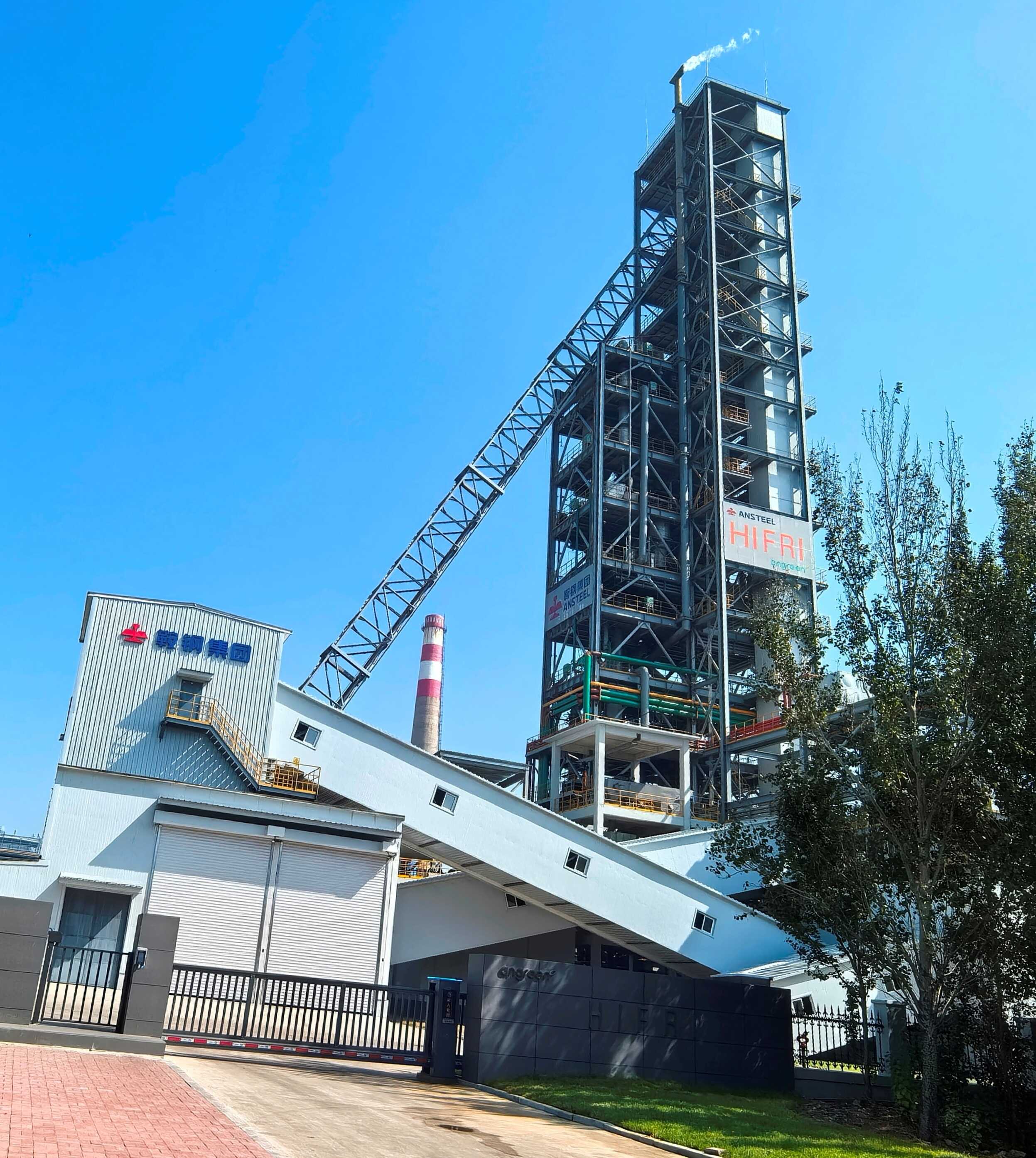
Fig.1 10,000 t/y green-hydrogen fluidized-bed direct reduction iron demonstration line
BreakthroughⅡ: Functional Particle Synthesis via Single-Droplet Combustion under Space Microgravity
To verify the feasibility of space in-situ manufacturing using extraterrestrial resources, the department developed an integrated combustor combining a premixed flat flame with a single-droplet generator. After 18 months of on-orbit experiments, stable ignition and combustion of freely flying single droplets were achieved for the first time under space microgravity. Distinct “hot-state rebound” and “cold-state adhesion” behaviors between droplets and high-temperature metal surfaces were observed, revealing Leidenfrost-like dynamics. The complete process—from flame control to functional particle formation—was demonstrated for the first time under microgravity, marking a major breakthrough in space-based in-situ material synthesis.
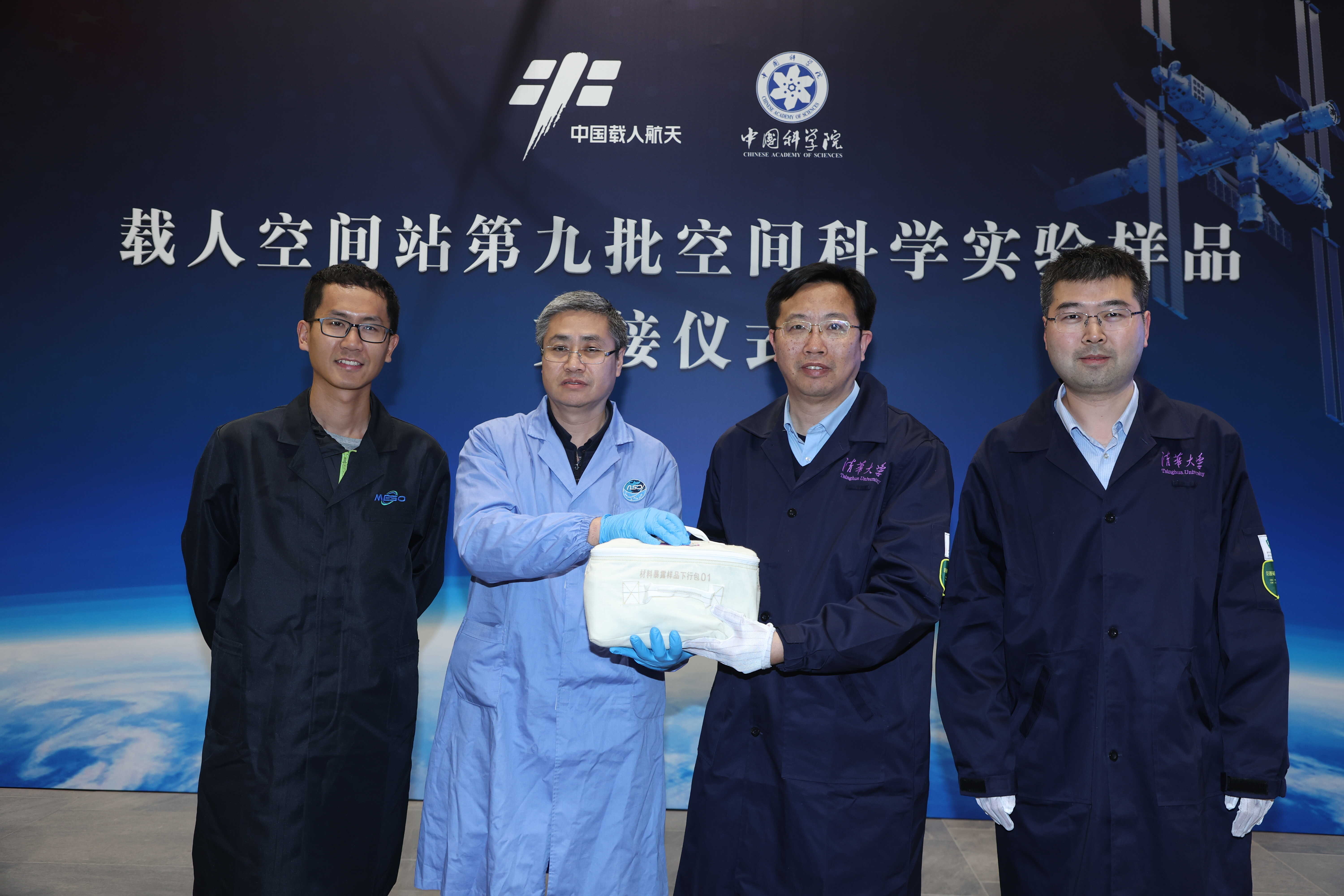
Fig.2 Handover ceremony of returned samples from Shenzhou-21
Breakthrough Ⅲ: Fluidized-Bed Particle Modification Technologies
To address agglomeration, low densification, and poor formability of powders for powder metallurgy and additive manufacturing, the department proposed an in-situ deposition and coating strategy in fluidized beds, enabling integrated control of strength and formability. By clarifying fine-powder defluidization mechanisms and developing externally assisted fluidization, uniform and controllable particle modification was achieved. The technology has been industrially applied by multiple enterprises and awarded the First Prize of the China Society of Particuology for Technological Invention.
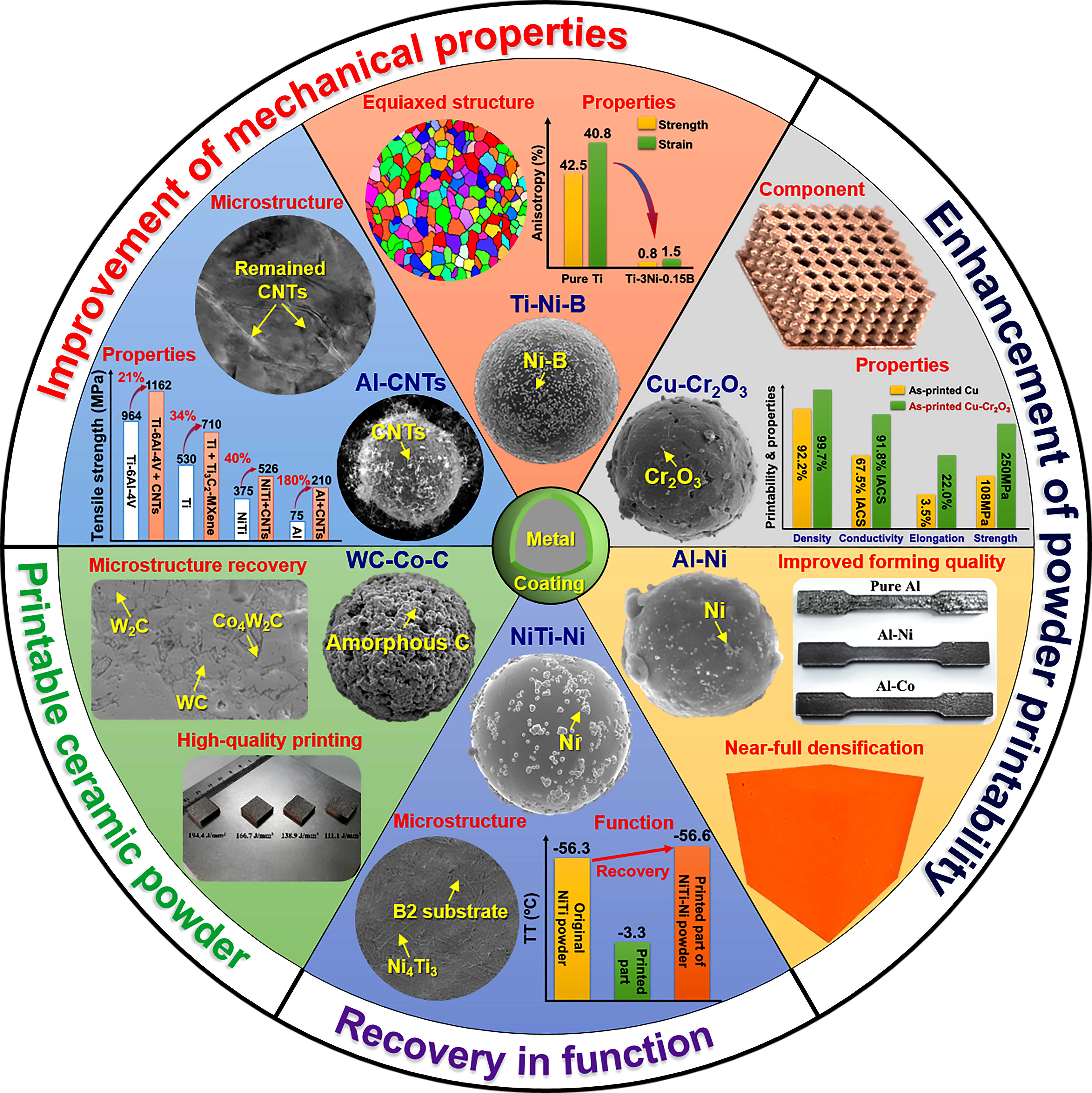
Fig.3 Integrated regulation of strengthening and formability via powder modification



 京公网安备110402500047号