 Search


The research department of green process engineering of resources and environment has carried out major original technology research and development, engineering demonstration and industry promotion centering on the efficient and clean extraction and high-quality recycling of energy metals. By 2025, it has published more than 110 SCI papers in international important academic journals such as Nature Communications (among which 23 have an Impact Factor ≥10), and authorized more than 70 patents. Two young backbone members have been selected into national-level talent programs.The main representative results of 2025 are as follows:
Breakthrough I: Harmless and Reused Utilization Technology of Unique Lithium Ore
For the "Harmless and Reused Utilization Technology of Unique Lithium Ore " Strategic Priority Research Program(C) task, a series of technologies were break through and continuously optimized in 2025, the technical indicators of "harmless and reused utilization technology of hundred kilograms level of unique lithium ore" have reached the leading level in the industry; more than 6 projects of ten thousand tons level were under construction, 9 standards were established and 66 patents were applied, the "Jiangxi Scheme" for the harmless and reused utilization of unique lithium mica ore were initially formed.
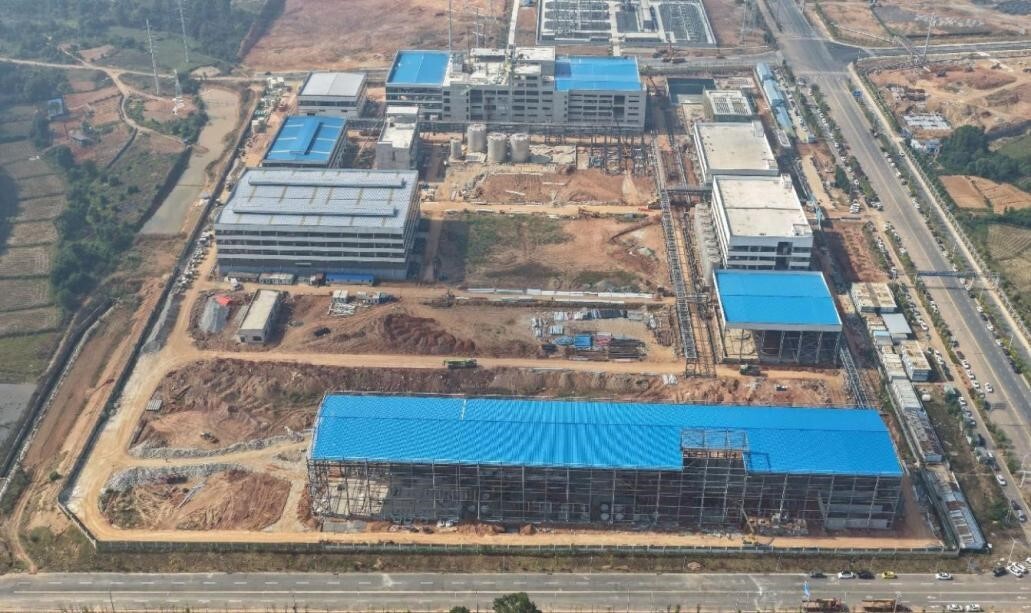
Fig.1 300000t/a clean Lithium Extraction Integrated Demonstration Project from Lepidolite Ore
Breakthrough Ⅱ : New Technology and Large-Scale Application of Multifunctional Group Chelation Extraction - CO₂ Three-Phase Stripping for Lithium Recovery
The team independently developed the new "Multifunctional Group Chelation Extraction - CO₂ Three-Phase Stripping for Lithium Recovery" technology. Applied in September 2025 to Qinghai Salt Lake Industry Co, Ltd.’s project for recovering 5,000 tons/year of lithium carbonate from lithium precipitation mother liquor, the technology has accumulated 10 commissioned production lines with a total designed capacity of 12,800 tons/year of lithium carbonate equivalent, generating approximately 1.2 billion RMB in added output value. It achieves a comprehensive lithium recovery rate of over 98%, with product purity stably above 99.5% and high-purity lithium carbonate reaching up to 99.9976%. The COD of the raffinate is far below the national standard (<50 ppm).
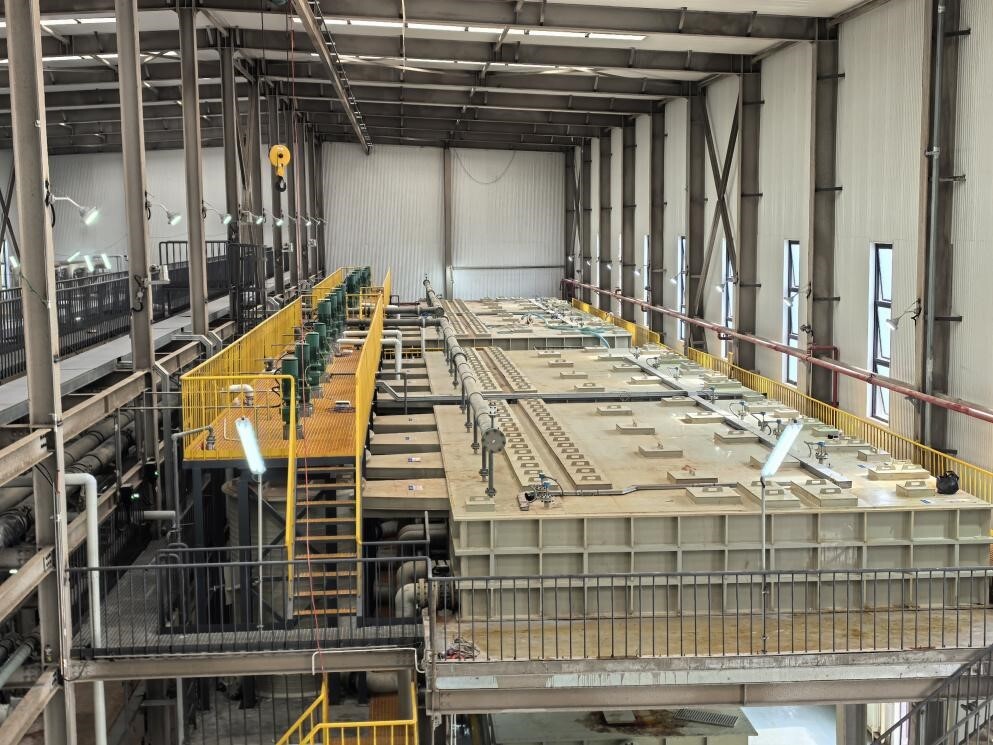
Fig.2: 5,000 t/a Lithium Carbonate Production Line via Extraction from Lithium-precipitated Mother Liquor for Qinghai Salt Lake Industry Co., Ltd.
Breakthrough Ⅲ : Low-carbon recycling technology and application of aluminum dross
The team innovatively developed a green, low-carbon recycling process chain for aluminum ash, encompassing "gradient dissociation, separation and impurity removal, graded smelting, deep detoxification, and synergistic resource recovery of pollutants", and constructed an industrial-scale production line with an annual capacity of 100,000 tons. The aluminum smelting recovery rate of the production line was > 85 %, the Al2O3 content in the regenerated alumina was > 65 %. The hazardous waste property of aluminum ash was eliminated. This project successfully transforms aluminum slag from an "environmental burden" into an "urban mineral", serving as a significant model and promotion for China's development of a circular economy and the construction of "zero-waste cities".
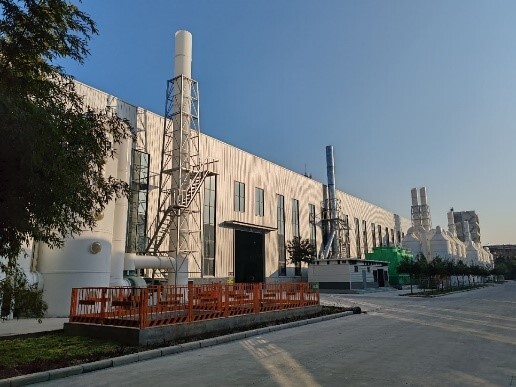
Fig.3: 100,000 tons per year industrial production line for green and low-carbon recycling of aluminum slag
Breakthrough Ⅳ : Low-Carbon Aluminum Extraction Technology from Low-Grade Bauxite and Its Demonstration
Based on the differences in mineral genetic properties of 5 billion tons of low-grade bauxite, the research team has successfully developed a novel mineral phase deep dissociation technology for aluminum-silicon separation based on the differences in mineral gene properties to overcome the disaggregation and separation of core phases in the low-grade bauxite. A 10 kt/a demonstration line for low-grade bauxite upgrading has been established in Shanxi Province in 2025 and is now operating stably, with a result of the alumina-to-silica mass ratio increasing from 2.5 to 5.0 and a concentrate recovery rate of 49.6%, as fully meets the requirements for alumina production by Bayer process. Building on this success, another production line with a capacity of 300 kt/a has been constructed and is currently undergoing equipment test. It is expected to be completed by January 31, 2026.
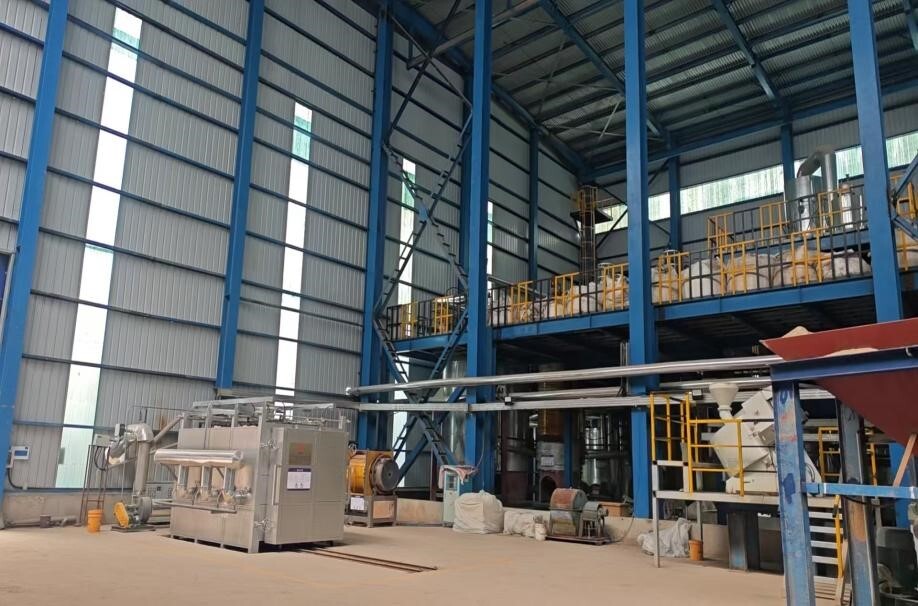
Fig.4: 300 kt/a low-grade bauxite upgrading production line



 京公网安备110402500047号