 Search


In 2025, closely around the national “dual carbon” goals and the major industry needs, the Center of Ionic Liquids and Low Carbon Energy (ILC) focused on the end-to-end development of green and low-carbon technologies from fundamental research to industrial applications. The Center achieved major breakthroughs in fundamental research and realized several industrial applications and demonstrations. A series of progresses and achievements are as follows.
Breakthrough I: Advancing Practice-Driven Innovation | Deepening Fundamental Research and Applications of Ionic Liquids
Addressing the challenges of precise design of ionic liquids and unclear nanoscale/microscale transport mechanisms, new AI models and functional regulation methods were established. This bridged the gap from “empirical trial-and-error” to “precise design” in ionic liquid design. By improving the characteristic mixing time model, a criterion for effective mixing in nano/microchannels was proposed. A new transport model coupling flow and diffusion for confined ionic liquids, along with mixing phase diagrams, was developed, advancing new processes for enhanced transport in nano/microchannels. Based on studies of mass and charge distribution in confined spaces, a theoretical prediction model for the viscosity of confined ionic liquids was established, and the novel strategy of “nano-confinement viscosity reduction → enhanced transport” was proposed. By comparing the diffusion behaviors of bulk and confined ions a hopping mechanism was found to determine ion diffusion in the confined environments, resulting in significantly lower diffusion free energy than in the bulk phase, thereby ion transport is accelerated.
In 2025, our team's research work has been published in international journals such as Nature,JACS,Angew,Nat. Commun.,Adv. Mater.,AIChE J., and the results provided a significant scientific foundation for theoretical innovation and functional design of ionic liquids, as well as scientific support for green process innovation.
Breakthrough II: Converging Chains for Progress | Promoting Large-Scale Integration and Development of Green Technologies
Technology I: Breakthrough Ionic Membrane Technology for Helium Extraction from Natural Gas. In response to the challenges of helium resources, characterized by dispersed gas reservoirs and low-grade quality, as well as the critical bottleneck of high import dependence, a novel phase-change-free technology for helium recovery from natural gas was developed by coupling membrane separation with low-temperature adsorption. Novel hierarchically microporous ionic membrane materials and specific adsorbents for neon removal were created, overcoming core challenges such as membrane plasticization resistance and deep removal of trace impurities. In collaboration with Sinopec, a demonstration unit with an annual production capacity of 110,000 Nm3 of 5N-grade high-purity helium was commissioned. Additionally, a direct helium extraction unit from pipeline natural gas is currently under construction in partnership with CNOOC. This achievement was honored with the 2024 Gold Patent Award from the China Petroleum and Chemical Industry Federation.
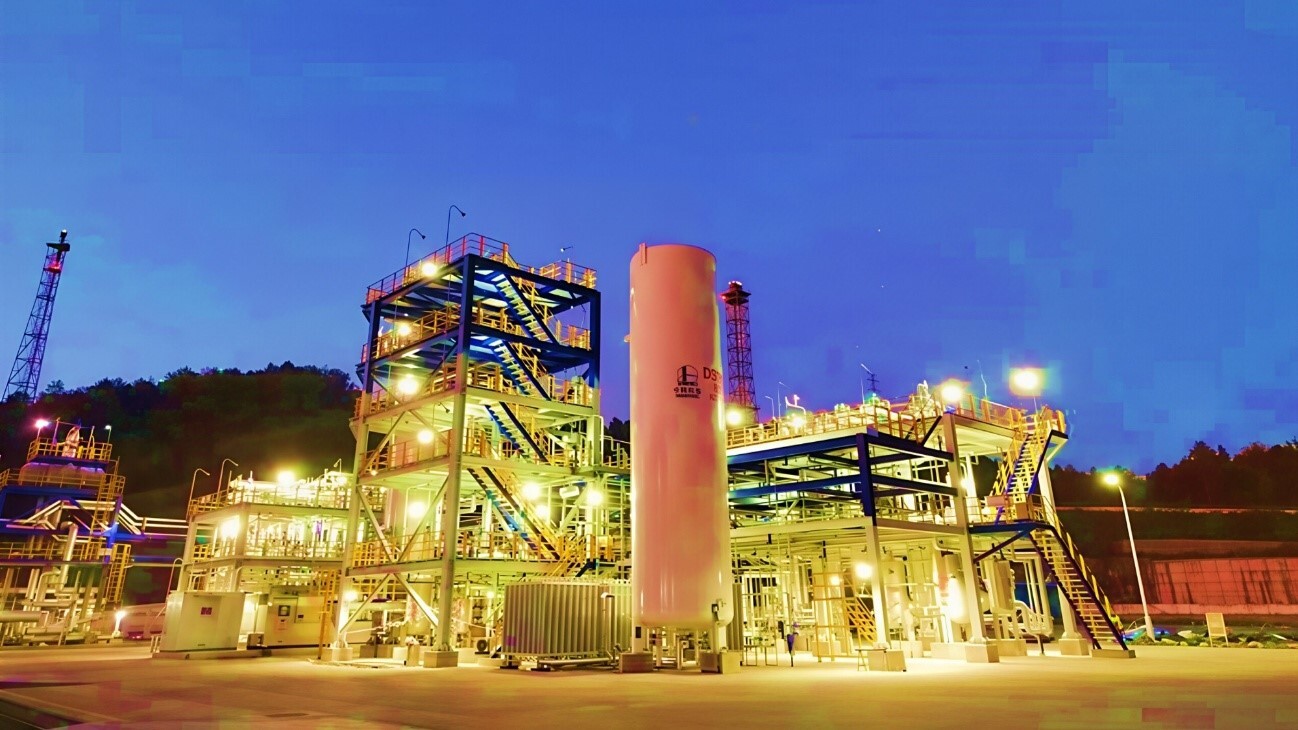
Fig. 1 110,000 Nm³/y BOG Helium Extraction Demonstration Plant
Technology II: Innovative Green Spinning Technology Using Ionic Liquids. The world’s first thousand-ton-scale ionic liquid-based regenerated cellulose fiber (“Firscell”) project officially commenced production. Compared with traditional processes, it successfully achieved a transformation in spinning technology and reached “zero discharge” of three types of waste. The scientific and technological challenges, including ionic liquid design and preparation, cellulose dissolution mechanisms and spinning processes, and ionic liquid recovery, were addressed. This led to the development of proprietary technologies for ionic liquid dissolution of cellulose and green spinning. A thousand-ton-scale production line was designed and built within an enterprise, achieving continuous and stable operation. The regenerated cellulose fiber product, trademarked “Firscell” meets international standards in properties such as fineness, strength, and elongation. The new ionic liquid process is highly safe, features good ionic liquid stability with efficient recovery, produces regenerated fiber filaments without fibrillation, and has broad raw material applicability.
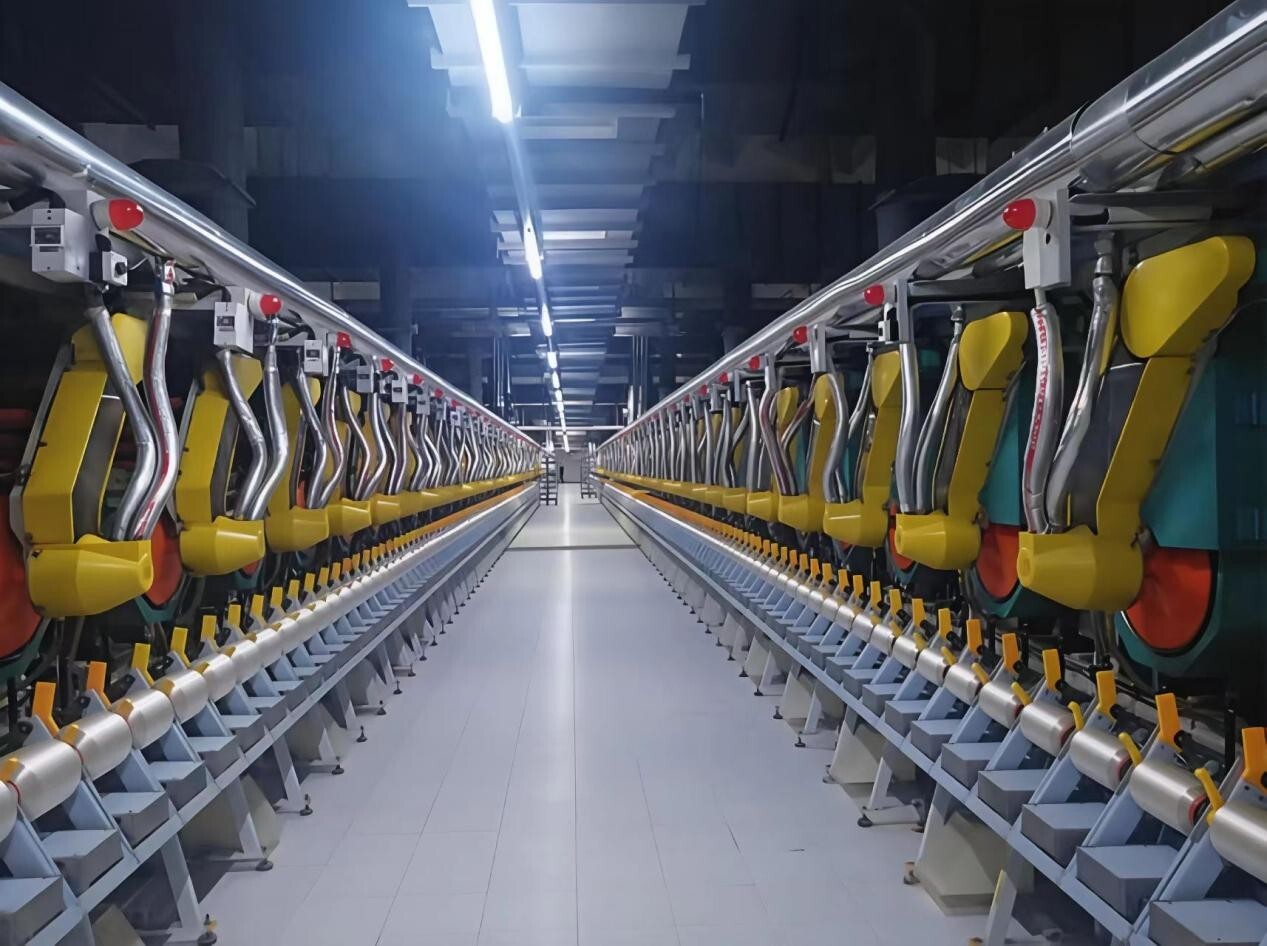
Fig. 2 Thousand-ton-level Green Spinning Technology Production Line
Technology III: Green Synthesis Technology of Ionic Liquid-Catalyzed Immersion Chip Coolant. Based on the structural design of ionic liquids, directional synthesis of coolant molecules was achieved. Combined with the reaction-distillation-membrane separation purification process, a green preparation technology for immersion chip coolant was established, with ionic liquid catalysis as its core. This technology boasted a thousand-ton-scale production capacity and delivered a product purity of 99.99%, meeting electronic-grade standards. The D-series of coolants has passed the quality system verification of Sugon DataEnergy (Beijing) Co., Ltd., and hundred-ton-scale products have been applied at core nodes of the National Supercomputing Internet, providing essential material support for MW-level immersion liquid cooling solutions.

Figure. 3 Green Production Line for Kiloton-Scale Catalytic Immersion Chip Coolant Preparation Technology
Breakthrough III: Gathering Momentum for Ascent | Building a High-End Consulting Ecosystem
Continued focusing on the two core pillars of high-end electronic chemicals and ionic liquid green technologies, we undertook three consulting projects in 2025, proposed major technological research directions and planning recommendations, and advanced the construction and data collection efforts for an electronic chemicals database. We successfully hosted the 7th National Conference on Ionic Liquids and Green Processes (Kaifeng, Henan) and inaugurated the inaugural Asia-Pacific Conference on Green Chemical Engineering and Sustainable Development (Bangkok, Thailand), among others. Focusing on the key scientific challenges of carbon peak and carbon neutrality, we conducted in-depth discussions on low-carbon technology frontiers and transformative technologies. These efforts have effectively promoted cross-disciplinary integration and injected new momentum into the development of new quality productive forces.
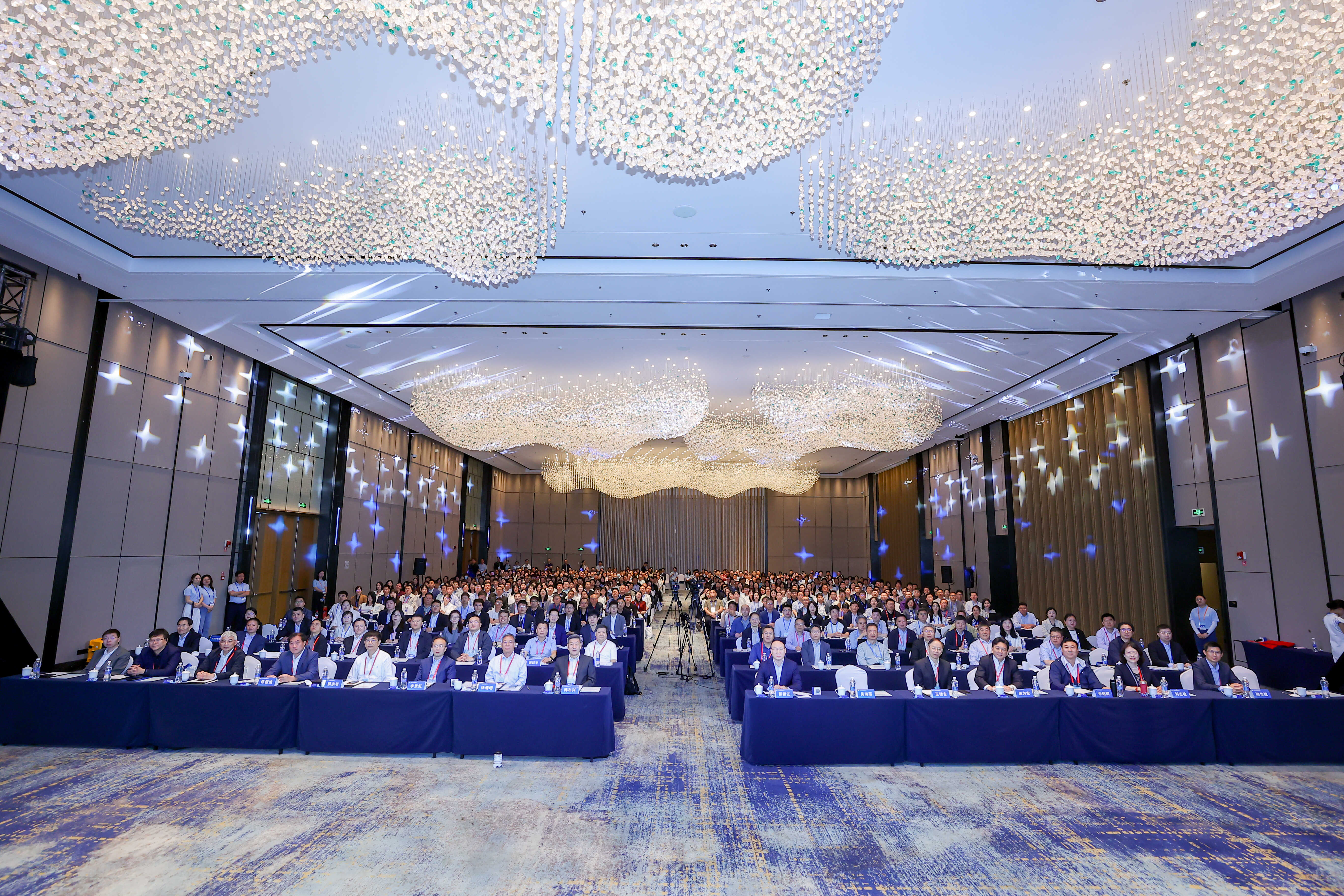
Fig. 4 The 7th National Conference on Ionic Liquids and Green Processes



 京公网安备110402500047号